Challenge
Deck line-handling hardware had reached end of life: cam teeth were worn, bushings were degraded, and a critical fastener had bent under load.
Replacement Components · Case study
Worn hardware · replacement kits
Worn deck cam levers and a bent fastener were documented against complete replacement kits, with on-vessel block and cleat context — a clear before/after path back to reliable line handling.
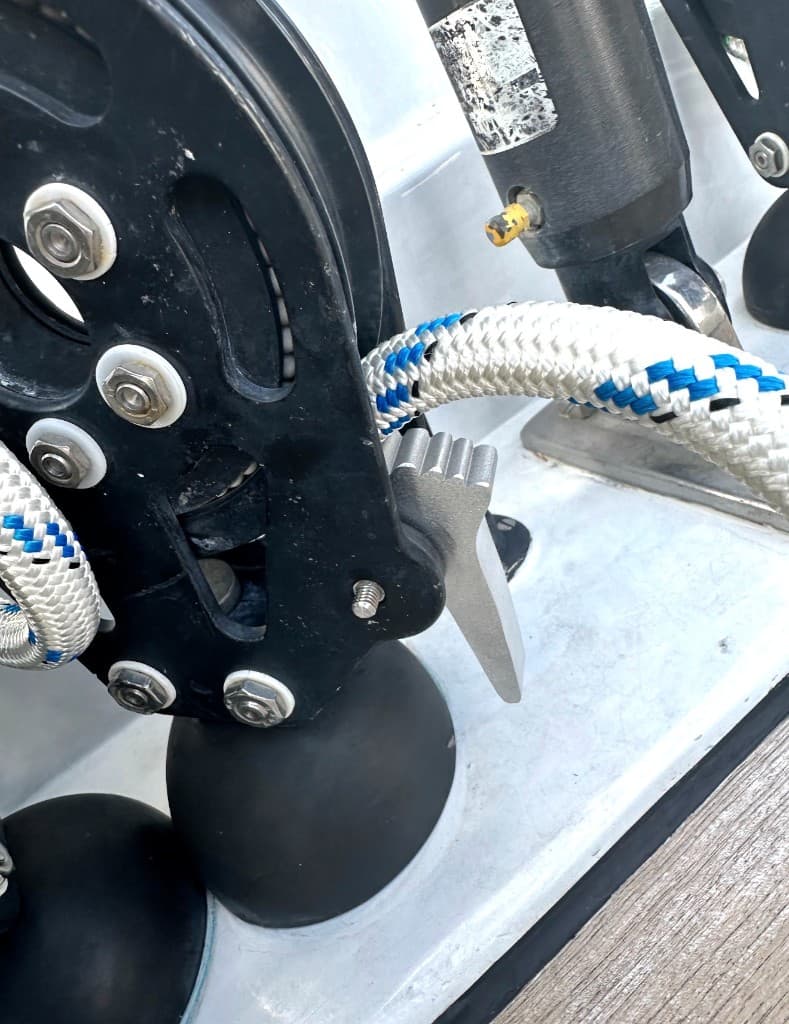
Deck line-handling hardware had reached end of life: cam teeth were worn, bushings were degraded, and a critical fastener had bent under load.
Failed parts were laid out against complete replacement kits so every wear item could be identified and replaced as a coherent set, verified against the surrounding block and cleat layout on deck.
The vessel received complete replacement kits for the worn cam-lever assembly, documented against the failed originals and the deck hardware in service.
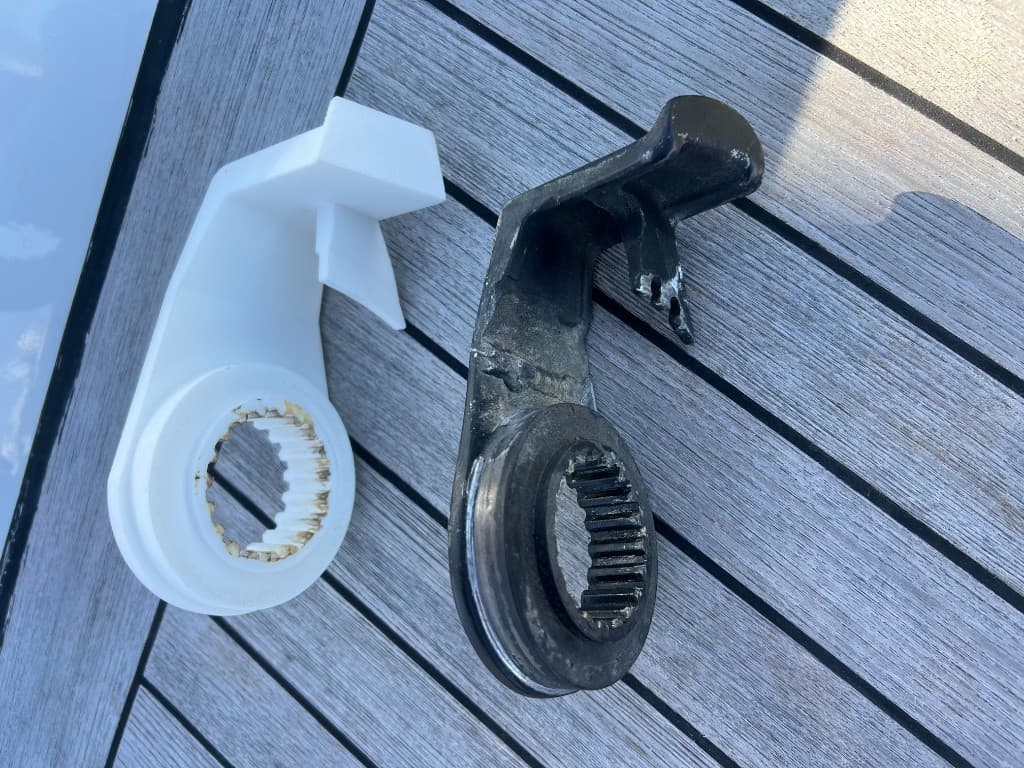
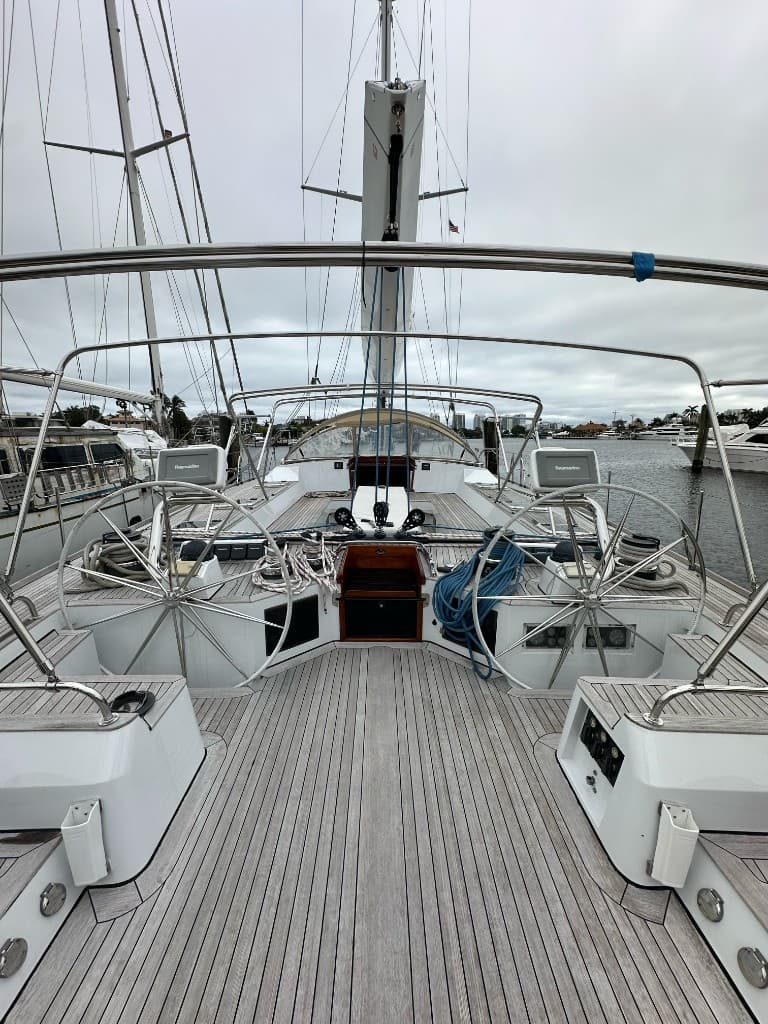
Cam teeth were worn, bushings were tired, and a fastener had bent — end-of-life deck hardware that still has to work every time lines are trimmed.
Failed levers, bushings, and the bent fastener were photographed next to complete new kits so nothing in the wear stack was missed.
We treated the assembly as a kit: match interfaces, replace worn friction parts together, and verify the surrounding block and cleat layout on deck.
On-vessel photos of the block, cleat, and cockpit established how the replacement hardware sits in the real deck system.
Complete lever, pin, and bushing kits were prepared so the boat could be restored with matched parts instead of a partial repair.
Replacement kits and deck context gave the owner a clear before/after record of the hardware path back to reliable line handling.
Worn deck cam hardware was converted into a documented replacement kit job — failed parts, new parts, and the vessel environment in one place.
Have an obsolete, damaged, or undocumented marine component? Share photos and measurements for a project review.